

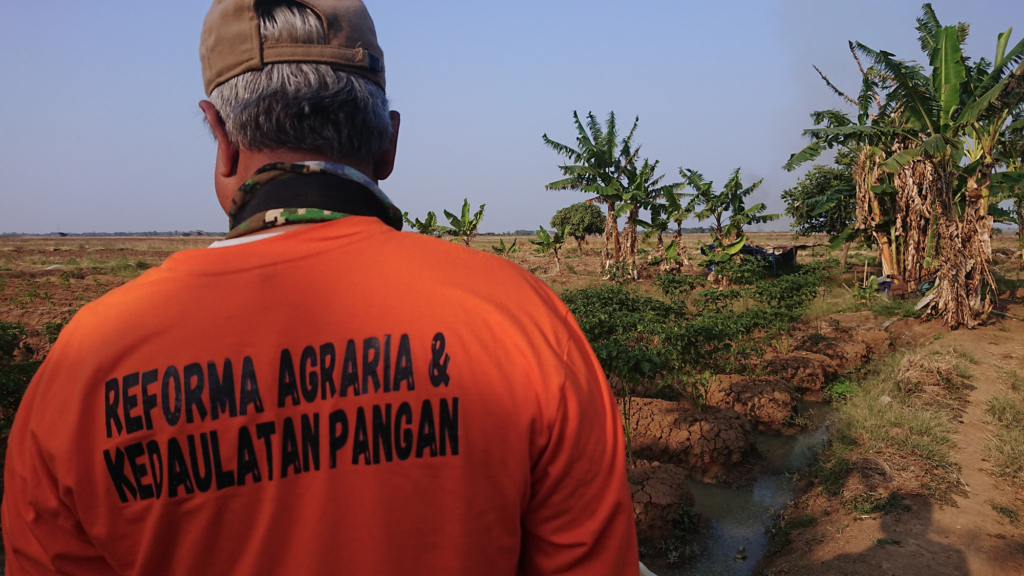
February 21, 2026
28 February
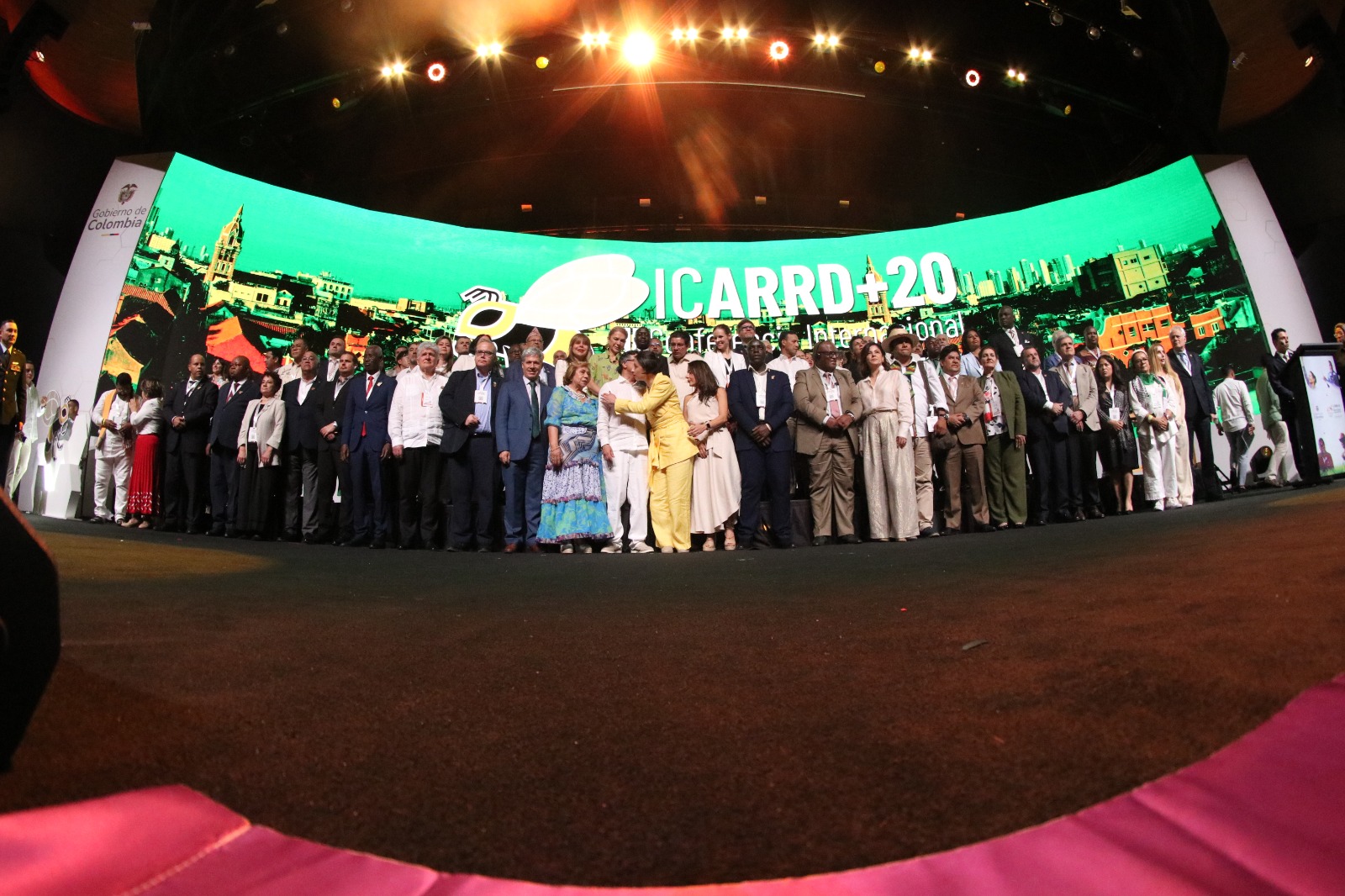
ICARRD+20: final day
It was bitter cup to swallow. Not only the one we had at the hotel dining room this morning, but also – and more metaphorically – the one served to Indigenous Peoples and social movements by governments on the last day of this International Conference on Agrarian Reform and Rural Development (ICARRD+20). The final declaration was quite weak with regard to terminology and actions, and after an emergency meeting held the night before, the IPC decided to reject it.
Language on Indigenous Peoples was too weak and even dangerous, putting next to them the slippery concept of “local communities”. In international law, Indigenous Peoples hold distinct collective rights – including self-determination, land, territories and resources – recognized in instruments such as UNDRIP, based on their pre-colonial existence and specific legal status. The term “local communities” has no equivalent, clearly defined status in international law and does not carry the same collective rights or historical foundations. Conflating Indigenous Peoples with “local communities” risks diluting or undermining their legally recognized rights by erasing this distinct status and lowering established standards of protection.
This was unacceptable for the global and regional organisations represented by the IPC. And then, even if they spent words of gratitude to the governments of Colombia and Brazil to have put agrarian reform back on the international agenda, we said: we cannot accept the declaration and we present our own.
Not because we reject dialogue. On the contrary we demand it. Good-faith dialogue on Indigenous rights, on the rights of fisher peoples and pastoralists, on women’s rights and gender justice, on agroecology as a way of life, not a technical fix.
We reaffirmed the four pillars that must guide a true reform: Redistribution, Recognition, Restitution, Regulation. Together, they form the backbone of a 21st-century agrarian reform rooted in food sovereignty. Agroecology is not a project line; it is our relationship to Mother Earth, to each other, to future generations.
Tonight, as the conference lights dim, we are not defeated. We are organized.
More than 6000 organizations and 300 million small-scale food producers move through the IPC. We carry the six pillars of food sovereignty born in Nyeleni. We carry struggles from villages, coastlines, mountains and plains. Our legitimacy is not measured in diplomatic applause but in the daily resistance of our communities.
Tomorrow we go home.
Home to assemblies under trees, to fishing boats at dawn, to herds crossing ancestral routes. Home to organize, to educate, to resist. Agrarian reform, food sovereignty, social and environmental justice will not be handed down from conference podiums. They will be grown, defended and won.
27 February
ICARRD+20: Day 4
On the sidelines of ICARRD20 in Cartagena, two side events organised by IPC and La Via Campesina created a space for social movements to advance concrete proposals for a global, popular agrarian reform.
Participants emphasized that agrarian reform must go beyond land redistribution to address territories, waters, forests, and collective rights. Peasants, Indigenous Peoples, fisherfolk, pastoralists, Afro-descendant communities, and women’s movements called for policies that defend autonomy and curb corporate control over food systems.
Discussions highlighted the limits of private property frameworks and the need to recognize communal tenure and diverse governance systems. Once again, speakers denounced displacement, militarization, land grabbing, environmental degradation, and the criminalization of rural communities.
Strong calls were made for food sovereignty, agroecology, environmental justice, and the decolonization of food systems. Feminist perspectives stressed women’s rights to land, decision-making power, recognition, and reparations for historical injustices.
Participants also demanded accountability for forced evictions and reparative measures for communities dispossessed of their territories. Throughout the exchanges, movements reaffirmed that meaningful reform requires systemic change and active participation in shaping national and international policies.
As the last day of ICARRD begins and a Ministers’ Declaration is expected, the IPC strongly calls on politicians to back a transformative agrarian reform grounded in the movements’ demands and their achievements in international law.
Social participation strengthens implementation
How to transform international agreements that are not legally binding into concrete public policies, though? This question dialogue brought together experts in food security and nutrition, legal specialists, Indigenous Peoples and peasants, as well as government representatives.
Participants emphasized that social participation, as demonstrated by CONSEA in Brazil, is key to linking international agreements with concrete action. The panel also stressed that FAO, CFS, and States must fully respect UNDRIP. Social movements recalled the “4Rs” of agrarian reform: Recognition, Reparation, Resistance, and Restitution – adding a fifth “R,” revolution, understood as the first step toward transforming food systems into territorial, agroecological, and non-corporate models.
The debate further underscored that agrarian reform cannot be reduced to land titling or property formalization; it must guarantee territorial permanence, collective access to natural resources, and sustainable livelihoods for Indigenous Peoples, peasants, fishers, and pastoralists.
From land to territory: the cosmovision in the international law
land is not only a productive asset, but a space intrinsically linked to natural commons, spirituality, and collective life. Representatives from Indonesia, North America, Latin America, Africa, and the Pacific agreed that the main challenge remains the lack of effective guarantees for the protection of land and territorial rights, despite their recognition in international legal instruments such as UNDRIP.
Panelists also denounced the ongoing criminalization of land and human rights defenders, illustrated by the case of Daria Egereva, who was detained in Russia after participating in COP30, as well as the lack of recognition of Indigenous Peoples as rights-holders in several countries. In Kenya, for example, Indigenous Peoples are still classified as marginalized populations or minorities, a practice that is reproduced even in multilateral spaces. In response to these challenges, peasant, fisher, and pastoralist organizations expressed their solidarity and reaffirmed a shared message: there can be no agrarian reform without Indigenous Peoples.
Happy birthday, FENSUAGRO!
Peasant perspectives on agrarian reform have been presented in the form of an audiovisual documentary. The Colombo-French Media Library hosted the launch marking 50 years of struggle by FENSUAGRO with this side event in the framework of CIRADR+20. A collaborative documentary rooted in popular communication, co-created by FENSUAGRO and Mirada Rumiant (MiRu) in September 2025 in territories of Colombia.
26 February
ICARRD+20: Day 3
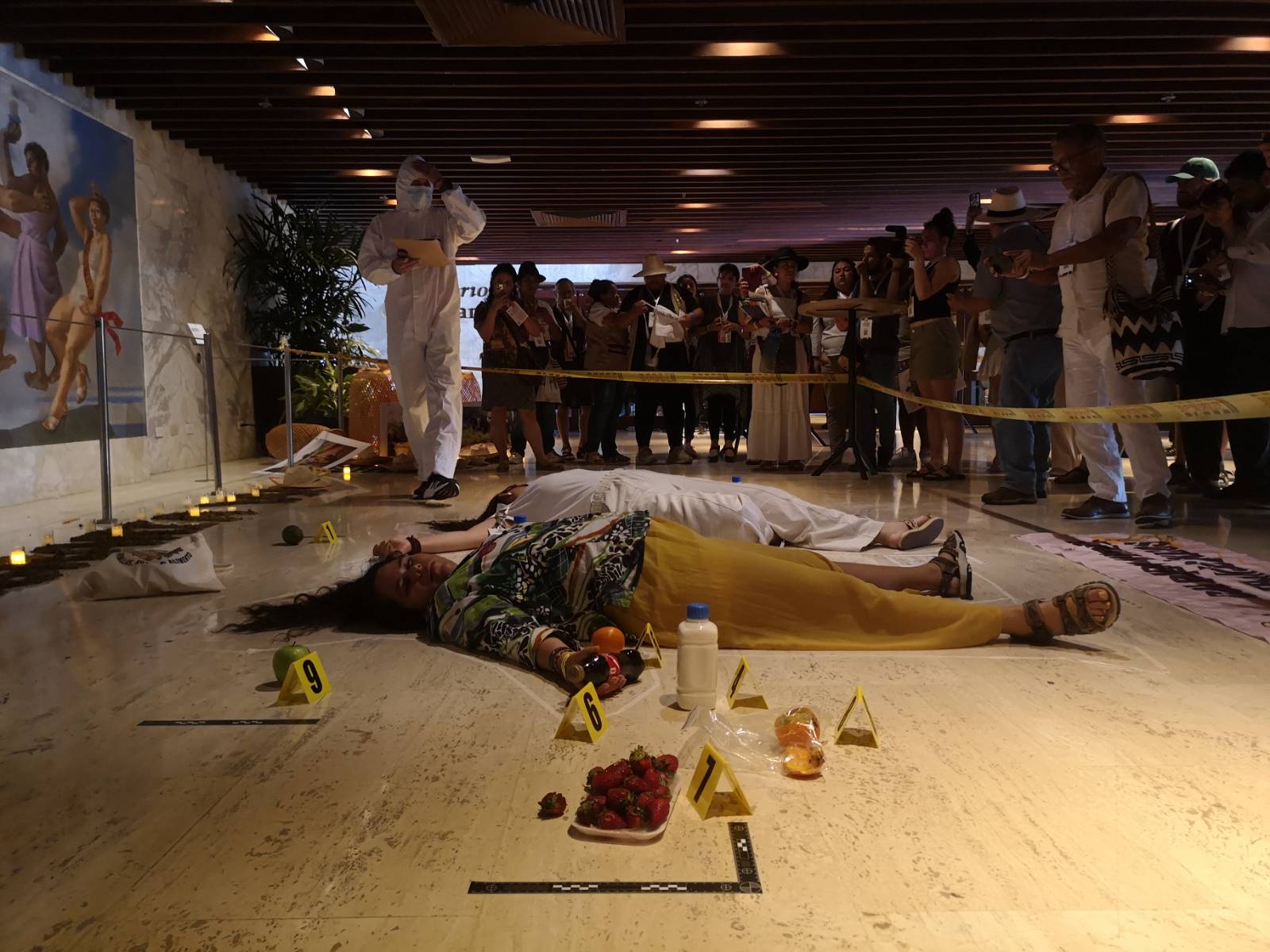
Two young women suddenly collapsed to the ground this afternoon at the Cartagena Convention Center, causing shock among those present. Around them, men in white protective suits unrolled yellow tape reading “danger, do not cross.” Surrounding the women lying on the floor, they placed fruit, industrial food products, and protest signs.
“We cannot speak about agrarian reform if we do not free our imagination from agrotoxins, genetically modified organisms, and the agricultural model that sustains them,” the activists denounced. They are part of the campaign Colombia Libre de Transgénicos. Their national movement fights to protect biodiversity, native seeds, and the right of communities to agriculture free from GMOs, and to affirm the country’s food sovereignty. Following a historic ruling by the Colombian Constitutional Court, which recognized the risk of contamination of native maize by genetically modified crops, the campaign is calling on the national government to overcome legal and technical barriers in order to effectively safeguard and protect native and creole seeds.
From the auditorium
Surely less eventful, but still full of content, the morning conference entitled “Land, Food, Work and Life,” gathered activists, intellectuals, and authorities shared experiences in building agrarian reform and sustainable development in rural areas. Representatives from Brazil, Colombia, Mali, China, and the United States were present, as well as the Colombian Minister for Agriculture and Rural Development, Martha Carvajalino. She opened the session highlighting the importance of the movements from around the world to boost the debate on agrarian reform at a global level.
In another panel on innovation for fair land use, IPC representatives from the U.S. showed that increasing corporate concentration, rising farm debt, land consolidation, and record food imports are undermining small-scale farmers, deepening inequalities, and weakening rural resilience. Corporate and financial actors are driving large-scale land acquisitions, often through opaque investment structures, while public data on discriminatory lending and land ownership remains insufficient. A new wave of extractive investment – such as data centres in rural areas – threatens land and water resources, offering limited long-term benefits to local communities.
The program also showcased a discussion on territorial markets and fair trade, where IPC speakers recognised that public policy advances in have been made, such as public procurement in certain countries, but the construction of fair markets remains peripheral rather than central. It is crucial to recognise the diverse territorial markets beyond the BIG global market, as they truly feed people rather than simply generate profit. To help them thrive and not just survive, countries must refuse free trade agreements such as the EU-Mercosur.
Climate and biodiversity
In a day fully packed with side and parallel events, the IPC movements have been very active in organising lot of them. The day opened with a panel on climate, where speakers stressed that climate justice and biodiversity protection cannot be achieved through exclusionary conservation models that criminalize fishing communities and displace those who have historically protected aquatic ecosystems. Market-based mechanisms such as carbon offsets and nature trading, arguing that they commodify nature instead of addressing the root causes of the climate crisis. Speakers emphasized the central role of peasant women as guardians of native seeds, warning that seed commercialization and genetically modified organisms (GMOs) and technologies transfer control of food systems to corporations. Deep inequality in land distribution was also clearly pointed out, with small-scale producers feeding most of the world while controlling a fraction of the land.
The discussion, to which UN Special Rapporteur on Climate Change Elisa Morgera also participated, concluded that an integral agrarian reform is a prerequisite for climate justice, biodiversity restoration, food sovereignty, and a people-centred ecological transition based on legally binding measures.
Small-Scale Fisheries
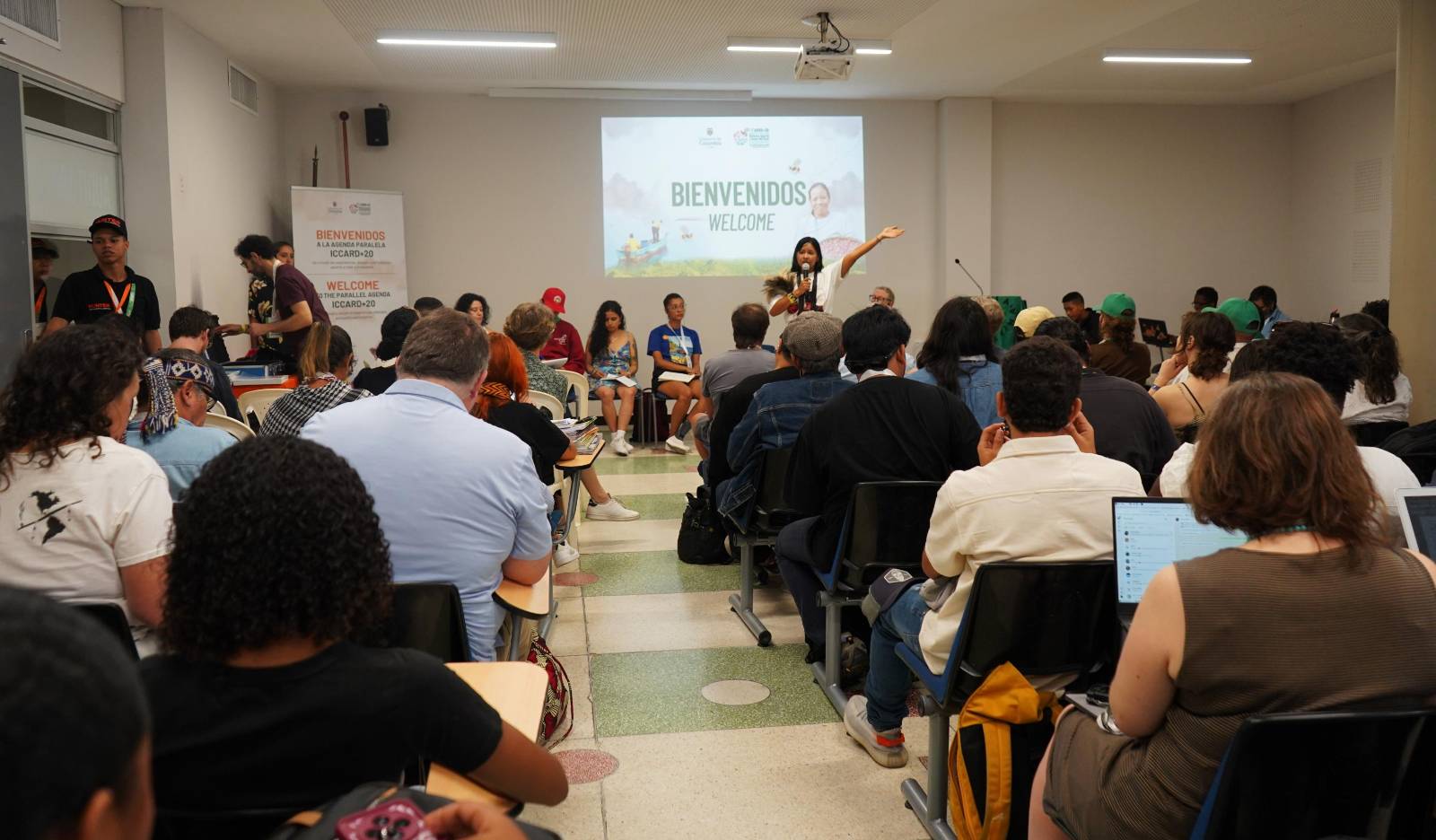
The side event Land, Water, and Indigenous Territorial Rights, Agrarian Reform and Small-Scale Fishers examined why fishing communities remain excluded from food governance systems, deepening poverty and hunger. Panelists highlighted the lack of knowledge and implementation of the Guidelines for Securing Sustainable Small-Scale Fisheries (SSF). Underscored that Indigenous, fishing, and peasant communities defending their territories are often criminalized. They also stressed that dispossession persists despite existing legal protections due to a failure to recognize collective territorial rights. Besides technical capacity, the future of the Guidelines depends on meaningful collective participation. Key priorities include incorporating the Guidelines into national legislation with clear accountability mechanisms, allocating dedicated funding, and translating and disseminating them in local languages.
Pastoralism
The side event on Agrarian Reform and Pastoralism addressed the interlinkages between pastoralism and climate change. The panel underscored, among the main challenges, the struggle for the recognition of pastoralists as rights-holders, as well as conservation projects that often deprive pastoralists from their land. Regarding the links between climate change and pastoralism, speakers highlighted a missed opportunity to integrate the knowledge systems of pastoralists and Indigenous Peoples into climate policies and to advance effective adaptation and mitigation strategies. Climate action must also incorporate biodiversity protection and the prevention of desertification. Recognizing and centering these knowledge systems and rights-holders is essential.
Art&Participatory communication
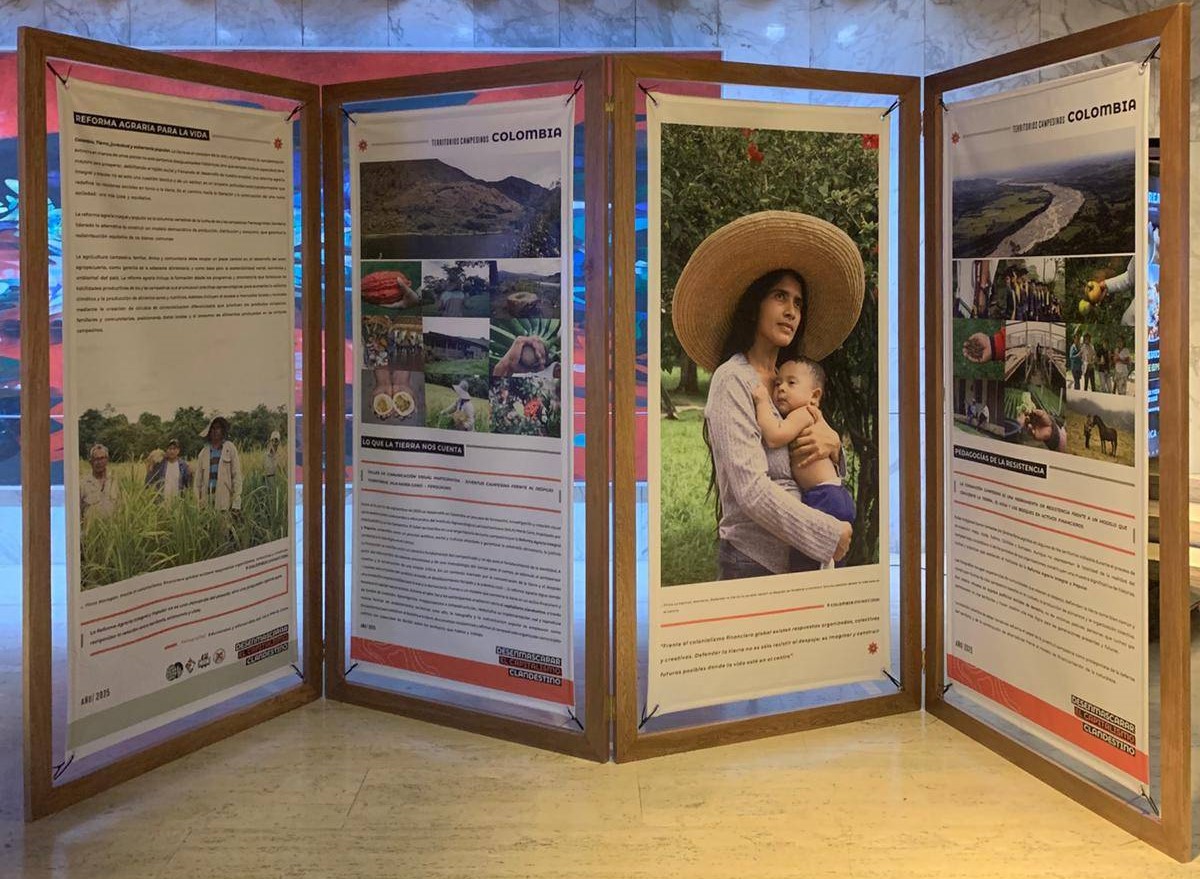
Two artistic and communication projects enrich the program of this second International Conference on Agrarian Reform and Rural Development. A photo exhibition by Miru (Mirada Rumiante) is showcasing the communication sovereignty work carried out by IPC organizations through participatory audiovisual and documentary photography processes. Rooted in popular education and co-creation methodologies, the exhibition highlights land grabbing cases from different regions, centering the voices and perspectives of grassroots youth and communities. Presented at ICARRD+20 in the main hall of the Cartagena Convention Center, the exhibition is part of a broader effort that also includes a documentary screening on integral and popular agrarian reform and three photobooks featuring visual narratives from Benin, Indonesia, and Colombia.
Outside the venue, at the Instituto Geográfico Agustín Codazzi, three primitivist artists from Colombia’s Caribbean region express peasants’ and Indigenous peoples’ relationship to land, and the politics of land redistribution, through colorful vinyl paintings. From the dreams of César Villa Gutiérrez to Mauricio Alegría Calle’s excellent depiction of concentrated land ownership among Colombian congressmen, this exhibition brilliantly captures a territory in constant tension. Ending on the 27th, it’s a very relevant and enjoyable space for those who want a rest between conferences.
25 February
ICARRD+20: Day 2
More than 1.1 billion people, about 23 percent of the global adult population, feel land‑insecure and consider it likely or very likely that they could lose the rights to some or all their land and housing within the next five years, and the trend is getting worse.
The first report on the Status of Land Tenure and Governance, presented during the main event of today’s program at the second International Conference on Agrarian Reform and Rural Development (ICARRD+20) shows that while 2.5 billion people directly depend on land, only 35% of land rights are formally documented. With 42% of land held under customary systems, largely managed by Indigenous Peoples, a significant share of land remains outside formal recognition. But this is not a big issue in most parts of the world. Customary land ownership, whether collective or individual, even if not documented, can enhance land security. This is particularly the case in contexts where formal individual land titles are not the norm. On the contrary, formalisation, especially in the form of private land titles, can increase land insecurity. In this context, women bear most of the weight of growing inequality: they are less likely than men to own or have secure land rights to land, and the gender gap is unbearably wide.
How did we get to this point?
The current state of the art is the result of different historical, ecological and socio-political transformations. After World War II, the decolonisation process and the rearrangement of the geopolitical order, paved the way for redistributive agrarian reforms in many countries of the world. But the neoliberal globalisation’s pushback, becoming evident in late 70s and intensifying in the following decades, strengthening land markets and privatizing property rights, arguing that private ownership of agricultural land facilitates investment, economic development, and poverty reduction, but of course creating the opposite effect. People displacement increased, land grabbing became the norm, the predatory approach of multinational corporations and big financial actors brought violence and land insecurity to the next level. In return, we saw the rise of transnational agrarian movements, organising peasants, Indigenous Peoples, and other small-scale food producers to confront their newly globalised opponents through the global policy dialogue. This led to the achievement of international tools like the Tenure Guidelines (VGGTs), the UNDROP and UNDRIP, affirming principles and defining collective rights of peoples over land and territories. Since the adoption of the VGGTs in 2012, 71 countries (36% of the global total) have undertaken some form of land reform. Rarely, though, governments go beyond mentioning this tool. Lack of concrete implementation of at the country level remains therefore the biggest challenge to the realisation of true and transformative agrarian reforms, taking back land from big private interests and giving it to small-scale food producers and Indigenous Peoples.
This is the mission the IPC is calling governments and international institutions to take on, once and for all. In the harsh conditions described above, small-scale food producers continue providing around 80% of the food consumed globally, by farming only a portion of global agricultural land. This extraordinary role is being eroded everyday by market-based policies for land tenure and other factors.
Voices from parallel events
Some of them have been discussed in different side events during the day.
In the panel of women’s struggle for agrarian reform and labour rights, speakers denounced the amid deepening global crises marked by intensifying imperialism, neoliberalism, racism, conservatism, and patriarchal violence, and how it causes growing threats to territories, bodies, and collective rights. Participants acknowledged important gains secured in collaboration with progressive governments, while emphasizing that these advances remain fragile and incomplete. Amparo Miciano Sykioco from World March of Women and Souad Mahmoud , from the Food Sovereignty Alliance of the Middle East and North Africa brought a grassroots perspective on the topic. “Our bodies are our territories,” speakers affirmed, underlining that defending women’s rights is inseparable from defending land and food sovereignty. They also emphasized the need for integral, feminist, and popular agrarian reform centred on the sustainability of life, dignity, and collective care. However, agrarian reform won’t automatically end violation of women’s rights, it’s a necessary but not sufficient condition for it. Luckily, there’s always good news. Social movements continue fighting to decommodify land, reaffirm that women are not disposable labour, and another world is not only possible: rural women and their communities are already building it.
Speaking in a side event on rural work, collective organisation and social dialogue, Nestor Roche, from the World Forum of Fish Harvesters & Fish Workers (WFF) highlighted main gaps affecting artisanal and small-scale fisheries, including unstable incomes, dominance of intermediaries, child labour, gender inequalities, weak organization and governance, and climate change. It stressed that small-scale fishers remain marginalized within economic and policy frameworks, despite their crucial role in food security and local economies. Public policies that recognize and make fishers visible, emphasizing that their inclusion in agrarian reform processes is essential to ensure rights, sustainability, and social justice, Roche said.
As part of the official agenda of ICARRD+20, the IPC Fisheries Working Group organized a side event entitled “Fisheries and Oceans: Collective Rights, Care for Aquatic Ecosystems, and Decent Livelihoods.” The session brought together representatives of governments, the United Nations, academia, and social movements to address a central question: what does the right to territories mean for small-scale fishers and Indigenous Peoples? Speakers emphasized that agrarian reform cannot remain limited to land, but must fully recognize marine, coastal, and inland water territories as spaces of life, culture, food production, and collective governance. Panelists highlighted the importance of implementing the FAO Small-Scale Fisheries Guidelines and UNDROP through a human rights-based approach, ensuring Free, Prior and Informed Consent, protecting communities from ocean grabbing and exclusionary conservation, and legally recognizing customary and collective marine tenure systems. The discussion underscored that without securing aquatic territorial rights, there can be no genuine agrarian reform, food sovereignty, or ecological transition grounded in justice.
Within the panel “Sowing the Land of the Future: Rural Youth Transforming Agrifood Systems”, the CIP was represented by MIJARC, which delivered a presentation focused on the urgent need to recognize rural youth as strategic actors in building agroecological, resilient, and systemic agrifood systems. It was emphasized that no real transformation can occur without guaranteeing access to land, financing, education, meaningful participation, and decent conditions to remain in their territories. The intervention affirmed that young people are not the future of rural areas, but their organized present, capable of sowing justice, rootedness, and sustainability for the generations to come.
How to strengthen people’s participation in the decision making and create space for them to impact on the policymaking? The question was addressed during an event in which movements and other panelists assessed the distribution of land, water and territories worldwide, 20 years after the first ICARRD. Social movements proposed making the Global Land Observatory more inclusive and participatory, strengthening the participation of fisher communities in agrarian reform debates, positioning this agenda in other international spaces, including the Rio Conventions, ensuring the participation of human rights bodies in future ICARRD conferences, and creating participatory mechanisms helping people decide how territories, land, and water should be used.
24 February
ICARRD+20: Day 1
For some, increasing productivity means producing more food per unit of land; for us, it means increasing the land under cultivation. And this means increasing production by increasing producers, having more peasants, and redistributing power in society. A strategy that fights climate change, reduces inflation without resorting to measures that kill the economy, creates jobs, and brings humanity back to living in rural areas instead of abandoning them.
This was the core of the speech delivered this afternoon by Colombian President Gustavo Petro in the packed auditorium of the Cartagena Convention Centre, for the opening day of ICARRD+20. More than a thousand people, mostly small-scale food producers, chanted slogans such as “Pedro, amigo, el pueblo está contigo” and “reforma agraria, urgente y necesaria.”
By amending the constitution in 2023, Petro’s government finally recognized peasants as rights-holders, also acknowledging their territories and diverse forms of land governance. Unequal distribution of agricultural land is stark in the country, where 8 out of 10 hectares are in the hands of 1% of landowners. This concentration has displaced more than eight million people – mostly peasants – from rural areas, often through violence. Yet even today, farms smaller than two hectares represent 84% of the total but cover only 12% of the land.
In December, the government announced it had secured 2.5 million hectares for agrarian reform: 700,000 were allocated to the National Land Fund and 446,000 were acquired through direct purchase. The goal, in Petro’s words, is to carry out a “peaceful agrarian reform,” buying back land and redistributing it to peasants.
The alliance with peasant and small-scale producer organisations is crucial in this process, as emphasized by ministers from several countries: Colombia’s Marta Carvajalino, South Africa’s Mzwanele Nyhontso, and Brazil’s Paulo Teixeira. Nury Martínez Silva, president of FENSUAGRO (a member organization of La Via Campesina and the IPC), speaking at the opening session, underlined the role of small-scale producer movements gathered in the IPC in achieving concrete results. She also urged policymakers to implement these measures in line with the principles enshrined in UNDROP, UNDRIP, and the international legal frameworks that IPC movements have secured over the years.
Alongside the main event, the ICARRD+20 programme featured several official side events and parallel events. Among the official ones, the IPC coordinated sessions on youth, women, and gender diversity. Youth clearly stated that they want to live in their territories, in a healthy relationship with land and waters, but are being dispossessed from agrarian livelihoods through violent structures of capital, power, and control, and are often forced to migrate. To change this, movements must work together to pressure governments for youth-specific policies that recognize their rights and highlight the importance of generational renewal.
Violence, gender discrimination, and patriarchy still dominate many rural areas worldwide, as highlighted in other events. If archaic laws in some countries are not reformed, they will remain among the greatest barriers to building real equity. Moreover, the absence of data indicators on Diversities and their land rights limits understanding of the realities faced by LGBTIQ communities in rural areas. Institutions lack appropriate indicators or data systems to monitor and process these changes effectively, speakers noted. This gap perpetuates exclusion and prevents equal access to land rights for Diversities.
Tomorrow’s agenda will explore agrarian reform from different perspectives: labour, environment, climate, life, justice, and more. Stay tuned for further insights!
24 February
Forum of Peoples and Social Movements: Day 2
The Forum of Peoples and Social Movements concluded its second day with the plenary reading and unanimous acclamation of its final declaration. This declaration will be carried as the position of the IPC to the International Conference on Agrarian Reform and Rural Development (ICARRD+20), starting on 24 February, as a clear message that social movements are not observers, but protagonists of agrarian reform.
Download the declaration
In the morning, regional discussions in working groups helped to get a multifaceted perspective on the topic. Across regions, movements reaffirmed that agrarian reform is not a technical adjustment but a structural struggle for power, dignity and territorial sovereignty. Delegates denounced escalating land grabbing, green and blue dispossession, war, debt, militarisation and corporate capture of land governance. Land concentration, extractivism, agrotoxics, monocultures and speculative finance continue to expel peasants, Indigenous Peoples, pastoralists and fishers from their territories.
Regional working groups deepened the four pillars of agrarian reform – restitution, redistribution, recognition and regulation – while advancing new dimensions: reparation, representation, resources and revolution. Movements called for collective land rights, women’s equal access to land, youth participation, free, prior and informed consent, and the defence of customary and communal tenure systems. They demanded public budgets, binding accountability mechanisms, and a shift from endless policy dialogue to concrete implementation of UNDROP, UNDRIP and the Tenure Guidelines.
From Palestine to Myanmar, from Mapuche territories to Central Asia, voices denounced violence, criminalisation and colonial continuities. Yet the Forum was not only a space of denunciation, but also a space of strategy. Agroecology, food sovereignty, solidarity economies and popular power were affirmed as living alternatives already transforming territories.
As Brazil’s Minister of Agrarian Development, Luiz Paulo Teixeira Ferreira reminded the plenary, we cannot wait another 20 years. Agrarian reform must be at the frontlines now. The movements leave united, organised and determined: land is life, and we will keep fighting for it.
VIDEO OF THE FORUM
22 February
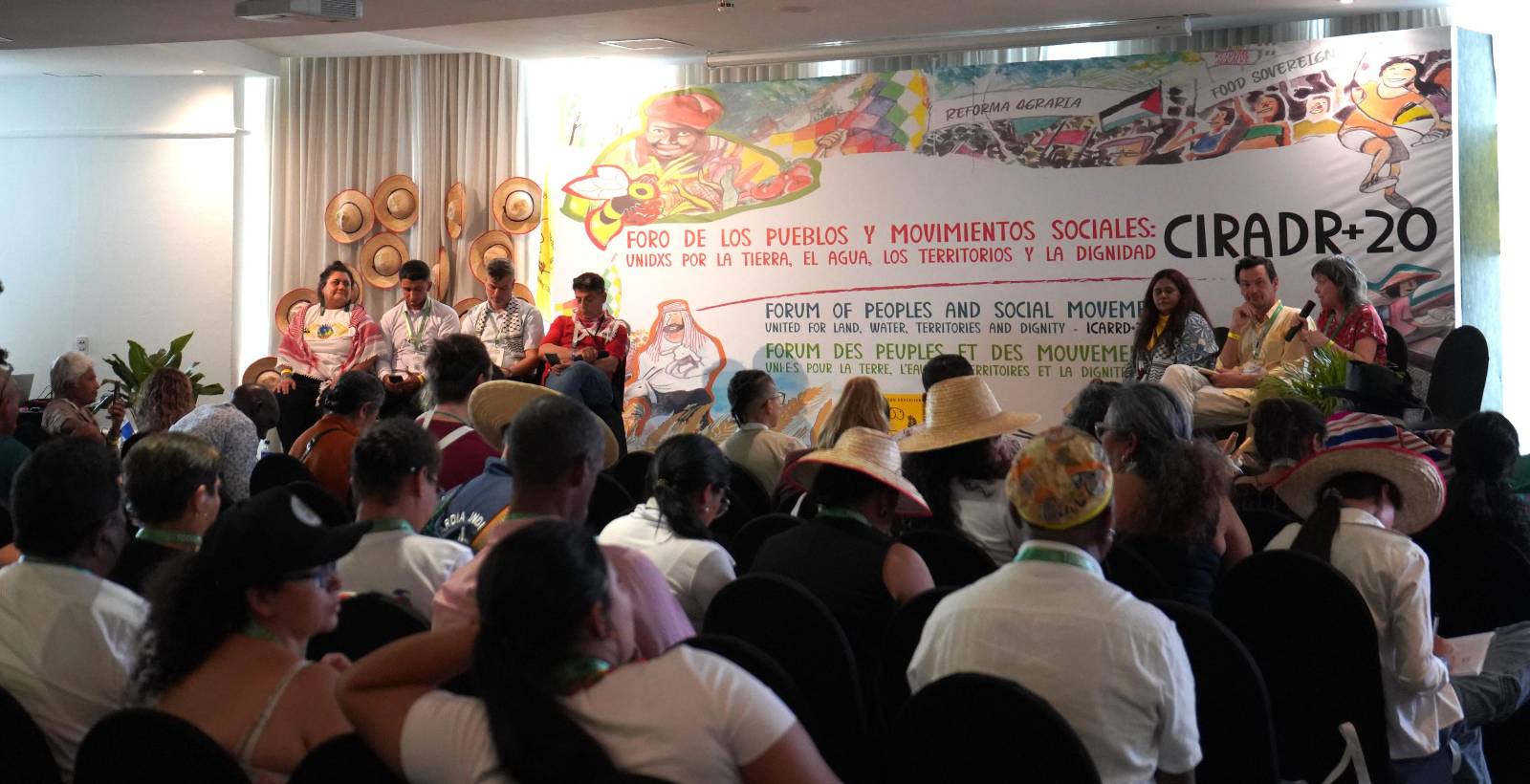
Forum of Peoples and Social Movements: Day 1
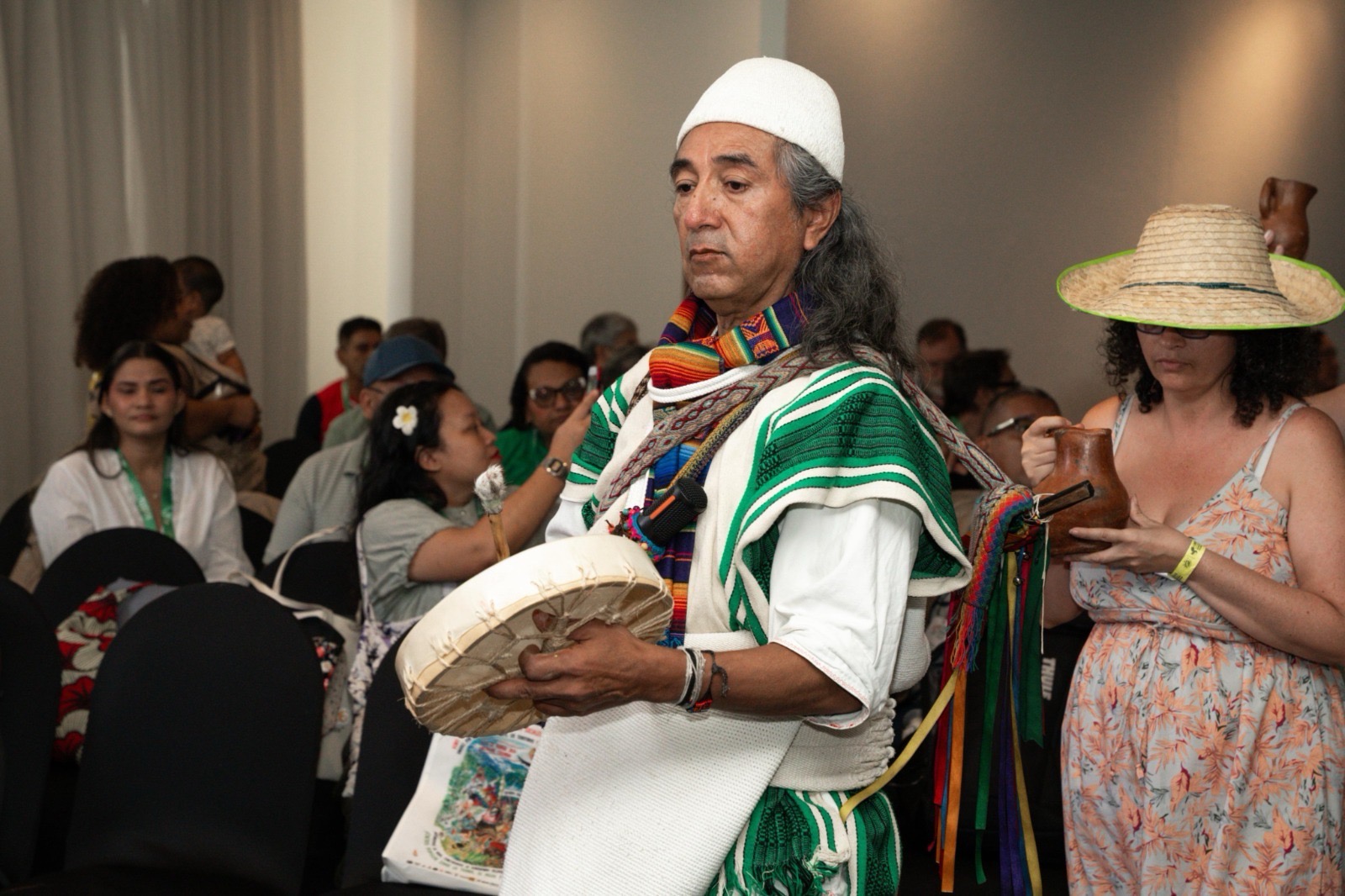
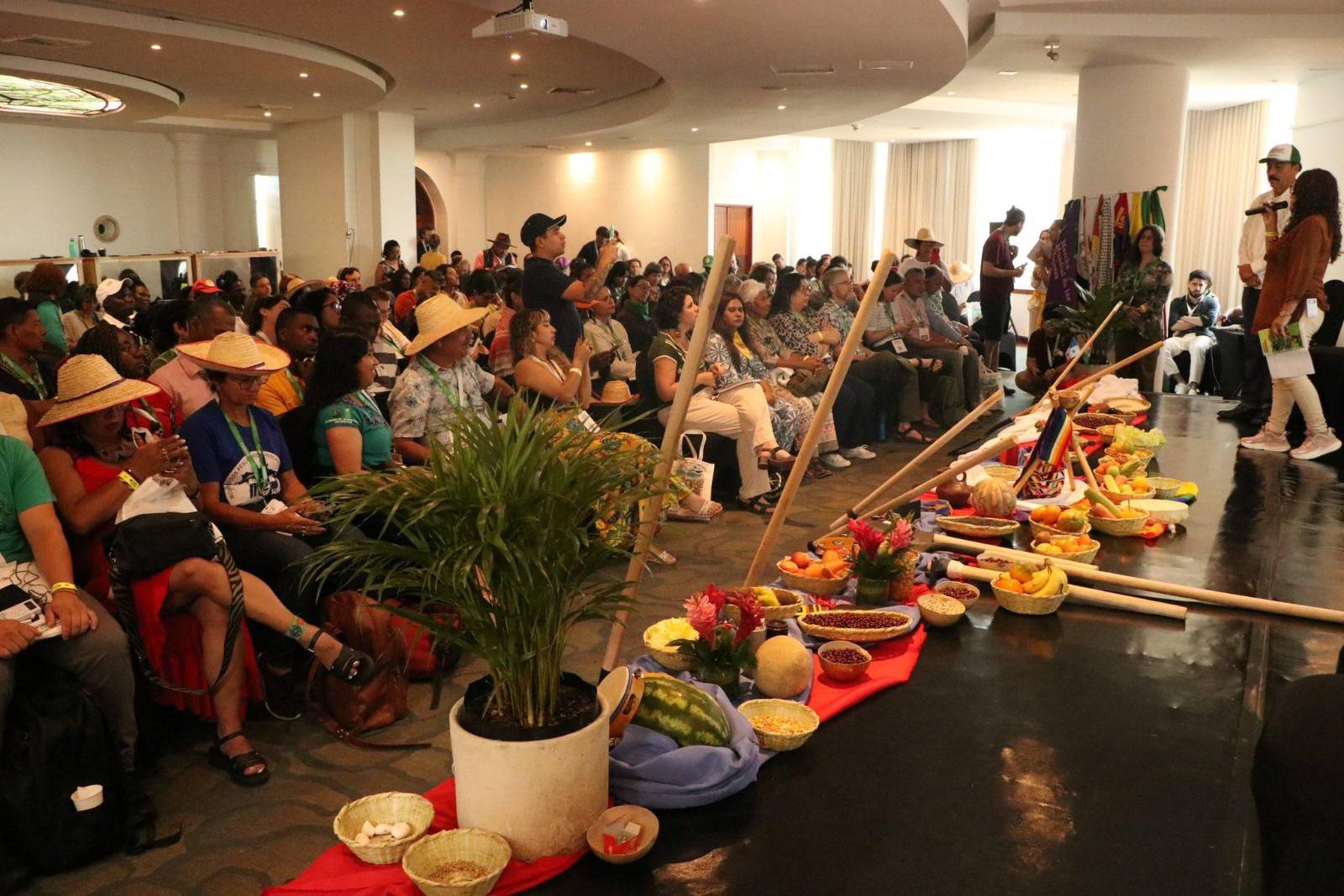
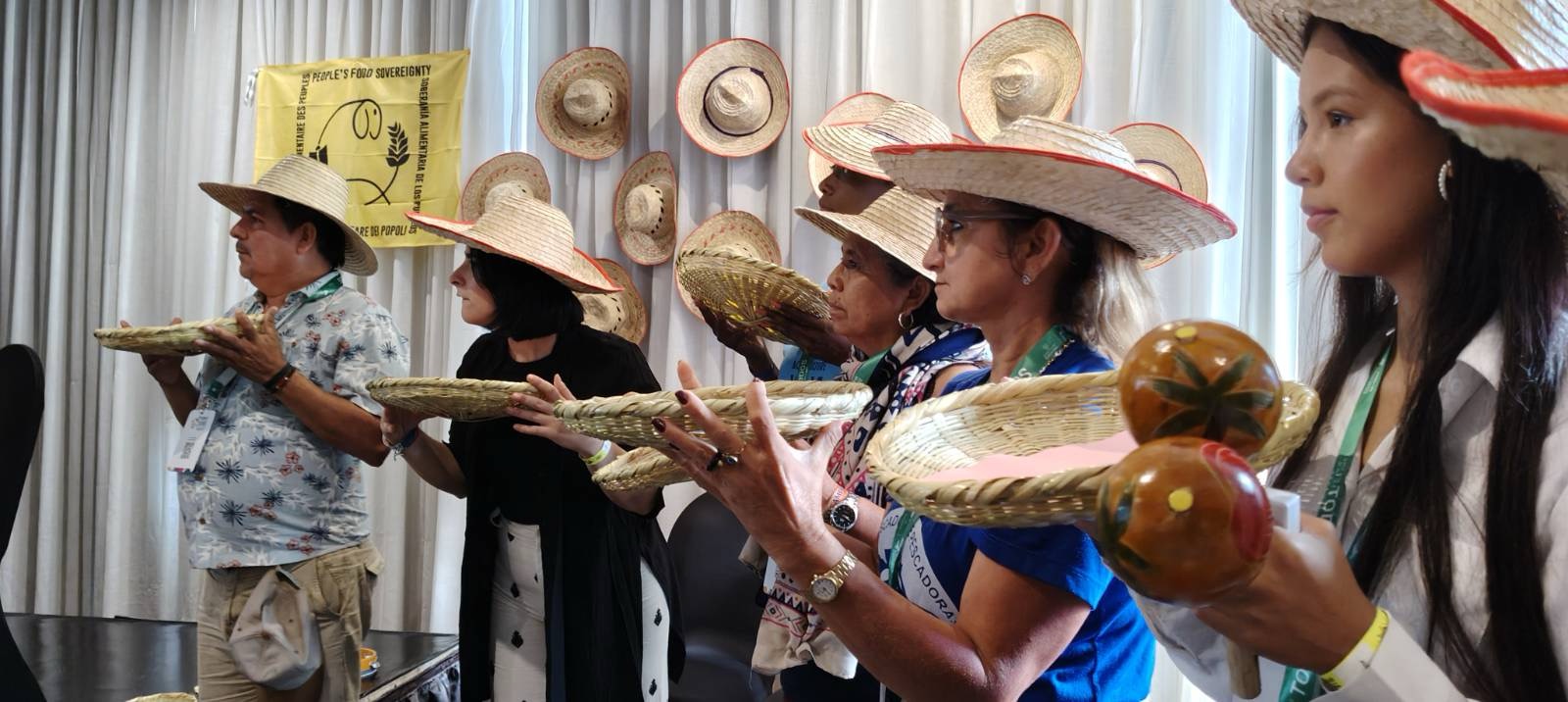
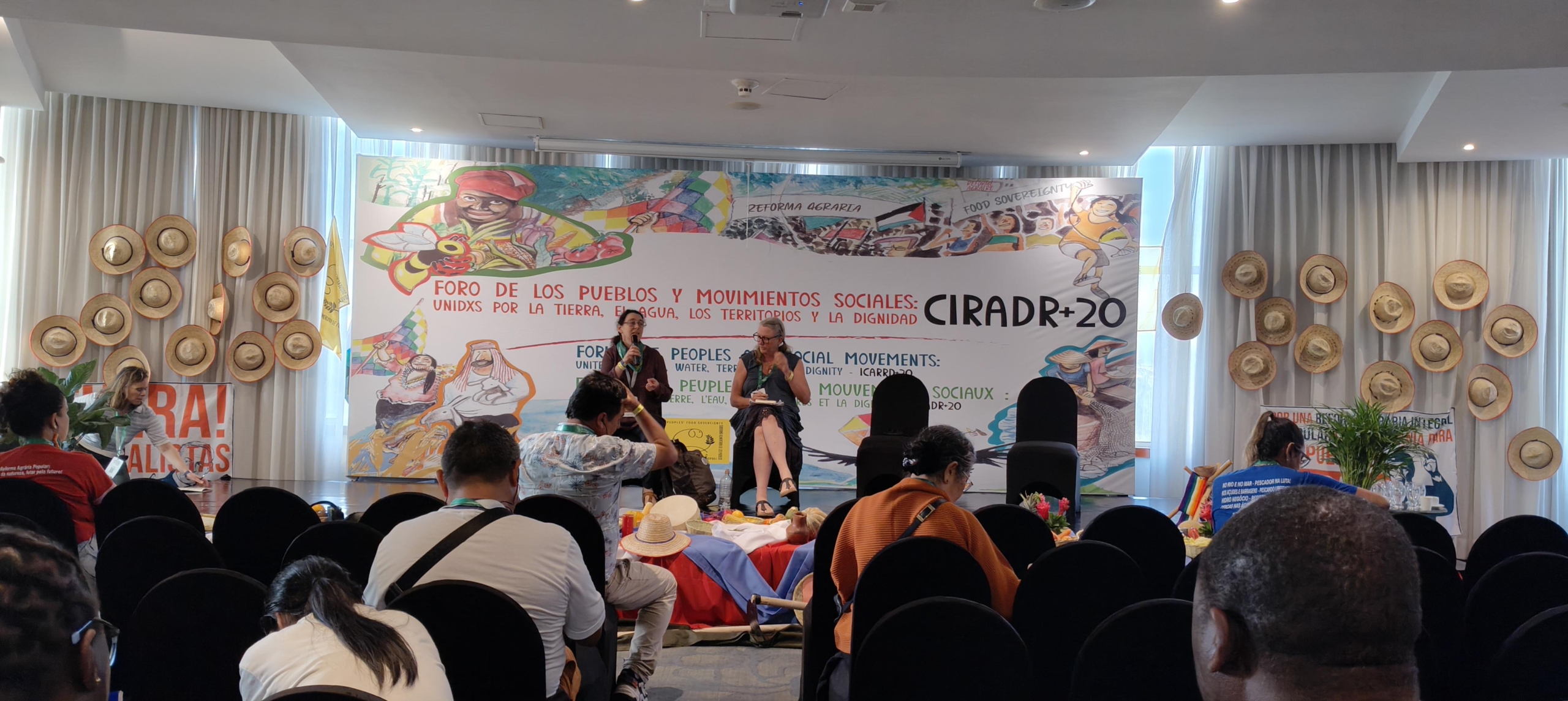
The first half of the Forum of Peoples and Social Movements opened with a strong and unified call from leaders of social movements to place land and territories at the centre of global political action. In the opening mistica, peasants, Indigenous Peoples, pastoralists, fishers, and rural workers reaffirmed that territories are not commodities, but the material and spiritual basis of life, culture and collective survival.
Speakers stressed that, despite advances such as Tenure Guidelines, UNDRIP and UNDROP, land grabbing, extractivism and conservation-driven dispossession are intensifying, concentrating land, water and forests in corporate hands while criminalising rural communities.
Three Colombian Ministers participated in the first panel: Martha Carvajalino, Minister of Agriculture and Rural Development; Irene Vélez Torres, Minister of the Environment; and José Daniel Rojas Medellín, Minister of Education. They highlighted the historic recognition of peasants as rights-holders and ongoing agrarian reform efforts, while acknowledging fierce resistance and the limits of current redistribution. Government representatives denounced the “traps” of criminalisation, illicit economies and exclusionary conservation policies, and proposed regulatory reforms to reconcile environmental protection with rural livelihoods.
Grassroots voices from Africa, the Americas and beyond emphasised collective land use, right to mobility, solidarity economies and the defence of small-scale fisheries against corporate control. Across interventions, a common thread emerged: without strong social organisation, peace implementation, and collective action, there can be no transformative agrarian reform.
In the afternoon session, representatives of 11 different organisations discussed the situation of communities’ rights in their territories. They denounced a global context marked by fascism, imperialism, power concentration, war and accelerating land dispossession. Speakers highlighted how extractivism, corporate control, renewable energy megaprojects and conservation policies are deepening land grabbing and food crises, from Palestine to Sudan, Mongolia, Russia and Latin America. Yet they also pointed to victories and strategies, including agroecology and food sovereignty, but also social and solidarity economy, which aims at breaking down barriers between producers and consumers, shorten supply chains and create solidarity-based financing models. Pastoralists demanded recognition of collective grazing rights, while fishers questioned who controls territories. Women stressed that although they produce most food, they own little land and pointed out to the big contradiction of patriarchal societies. Youth clearly pointed out their need for real access to land, and limits on concentration. Mohammed Abdel Rahman Salem Salimiya (Habitat International Coalition) closed the session denouncing genocide ongoing in Palestine, along with land grabbing and every sort of violation. Resistance is not broken though, it’s been practiced through the continuous building of social movements, and the practicing of little, huge gestures, like planting olive trees. The plenary reacted to this last testimony with a huge wave of solidarity, strike up the chorus: “From the river to the sea, Palestine will be free!”.
The final session was dedicated to putting the upcoming International Conference on Agrarian Reform and Rural Development into context, analysing progress made since the first conference in 2006, and presenting the IPC position paper for ICARRD+20 as a guide for addressing the gaps.
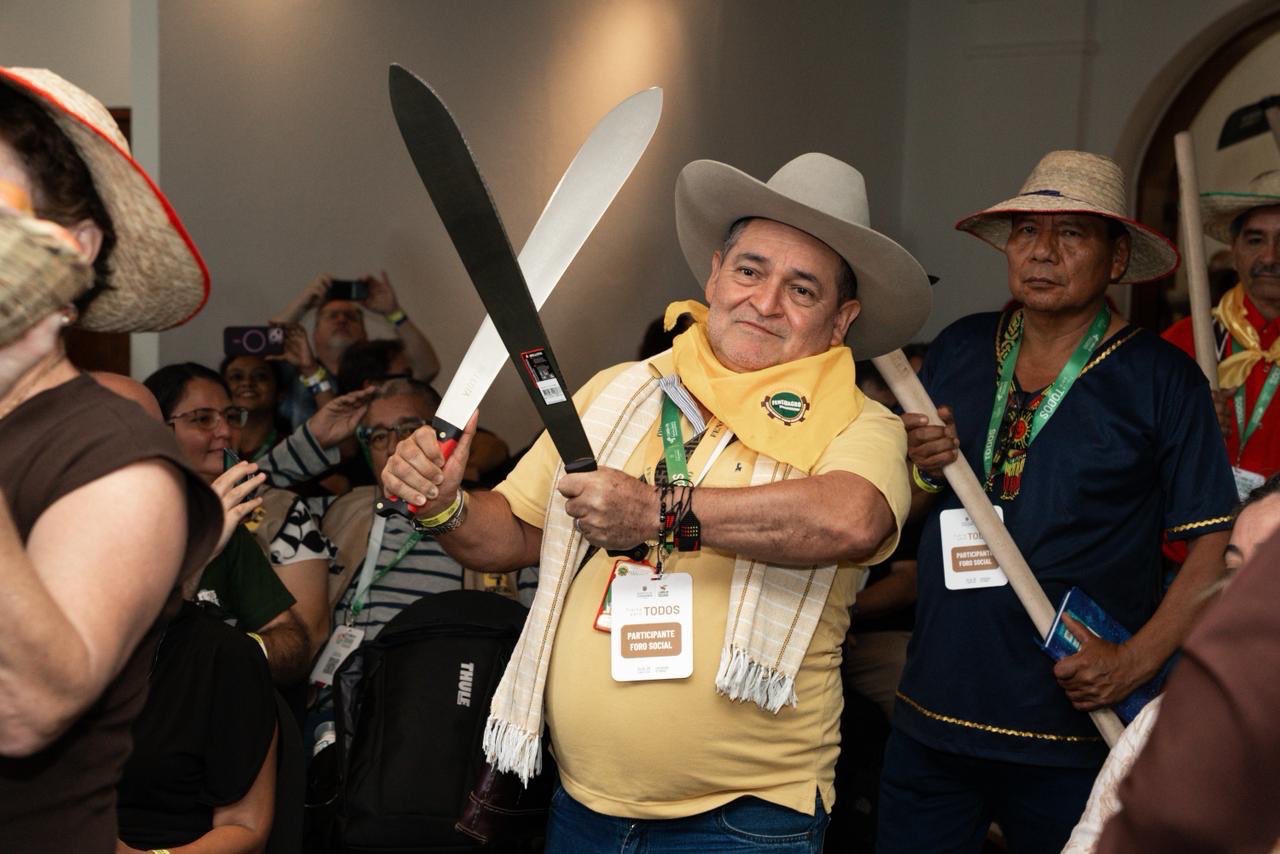
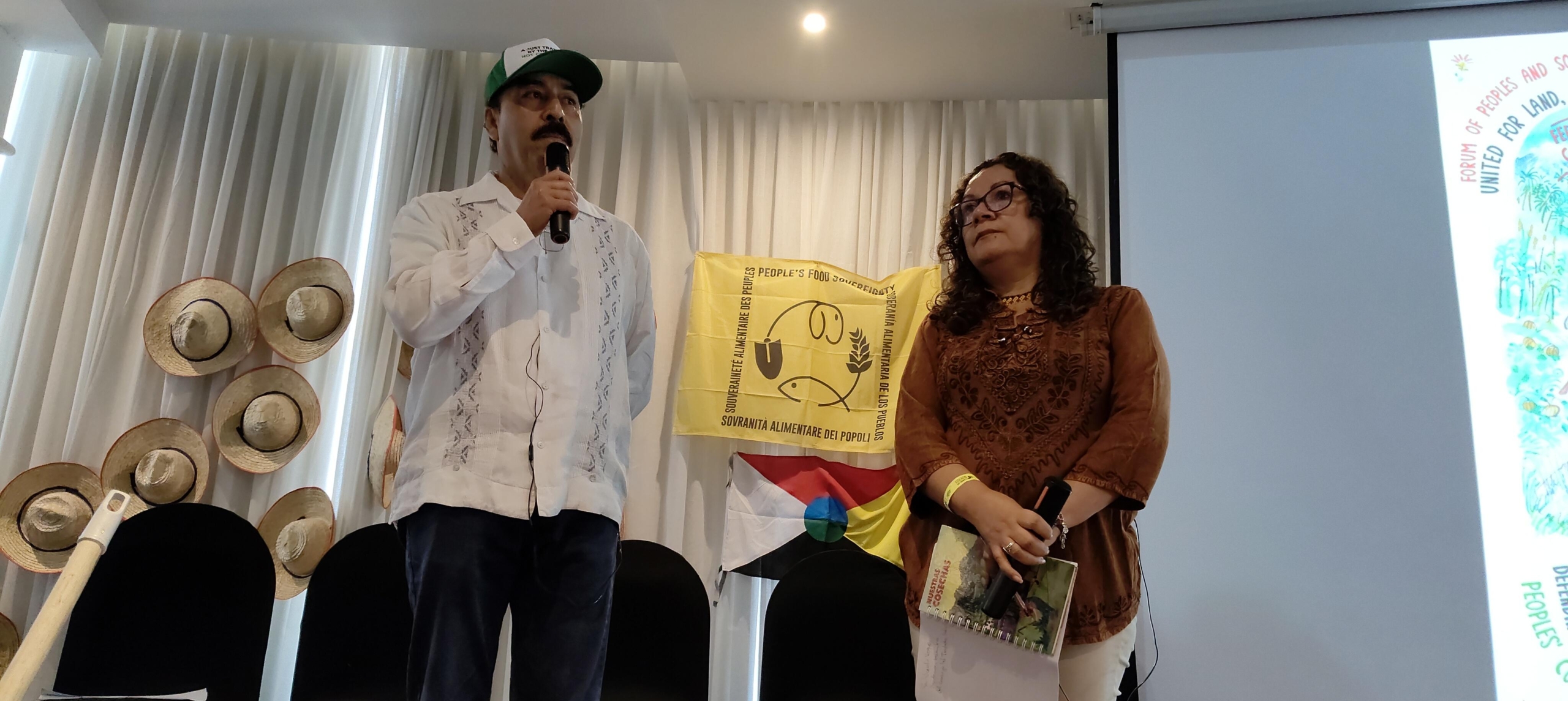
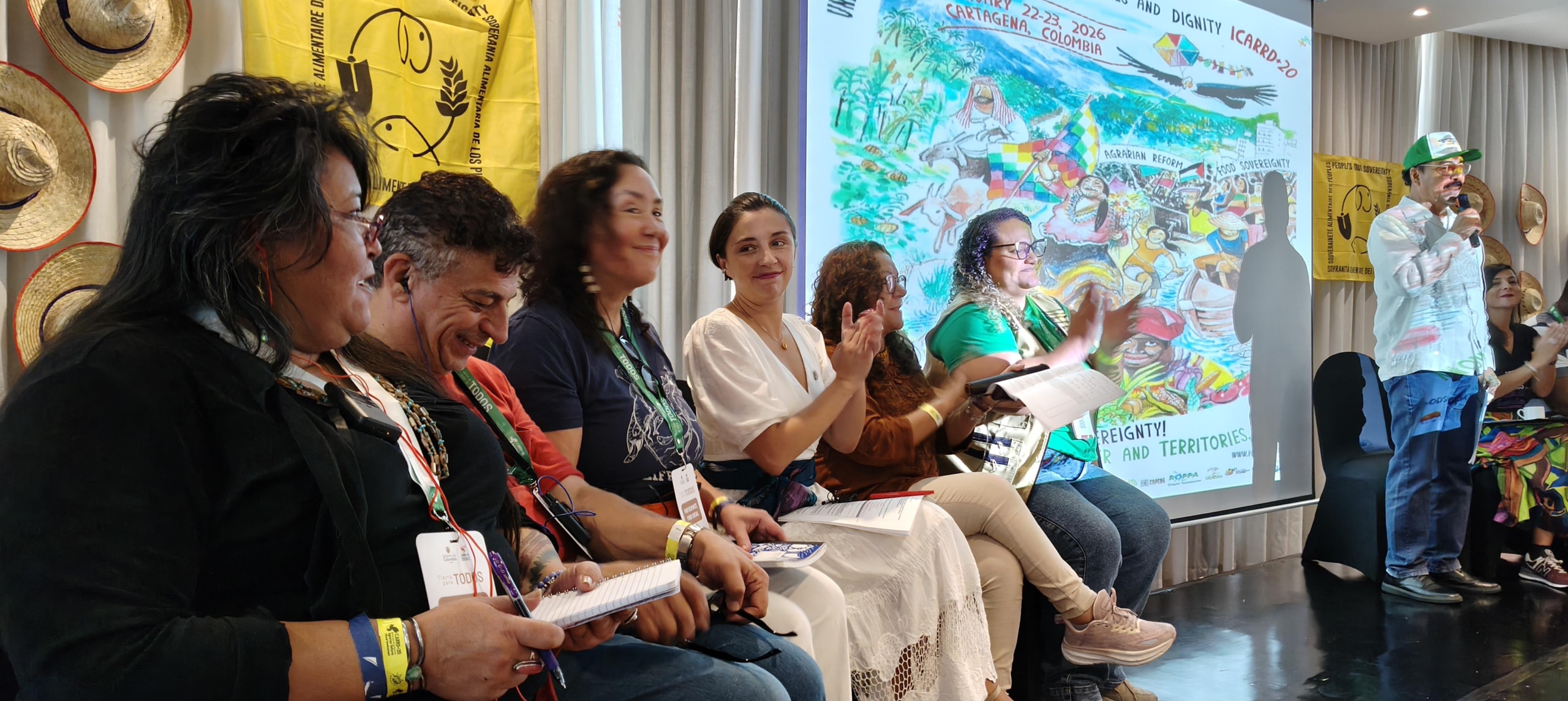
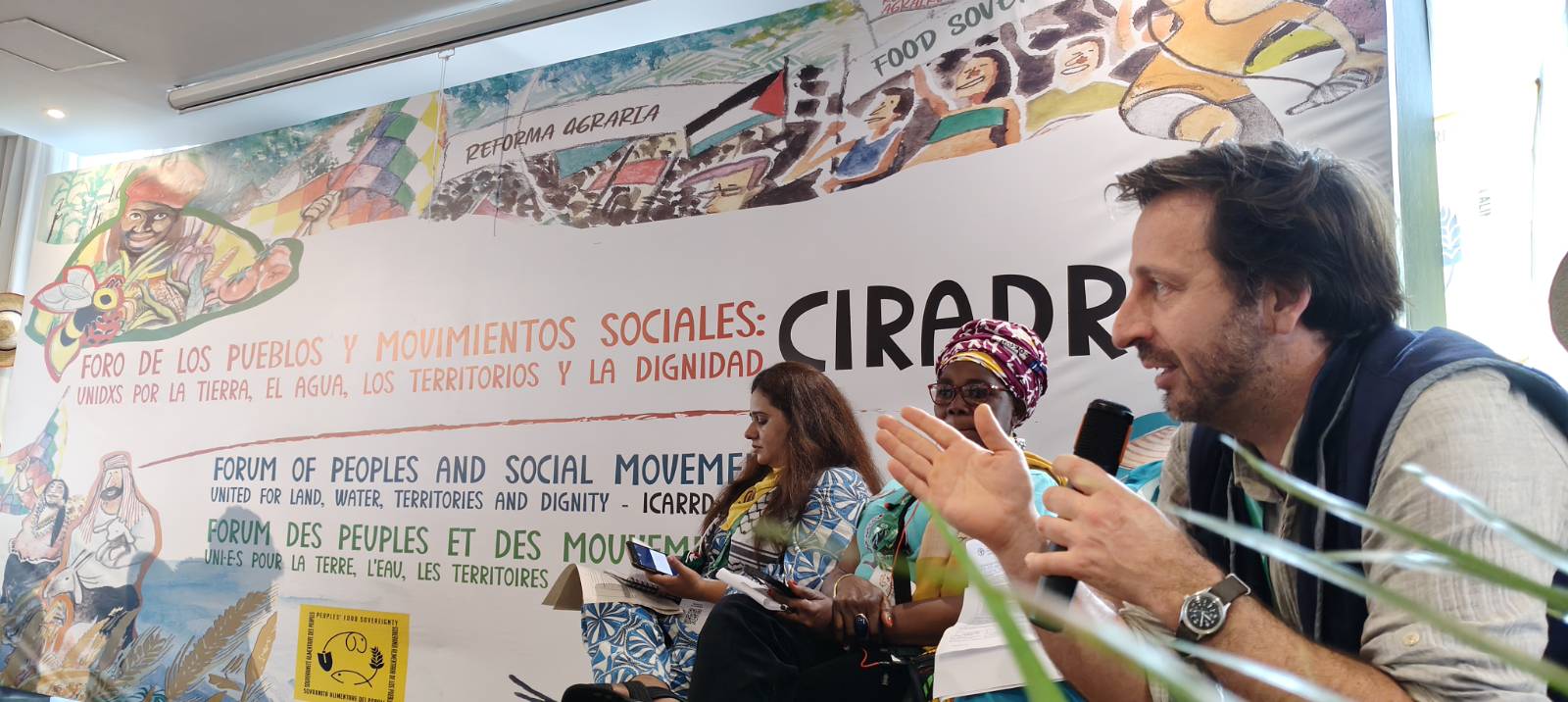
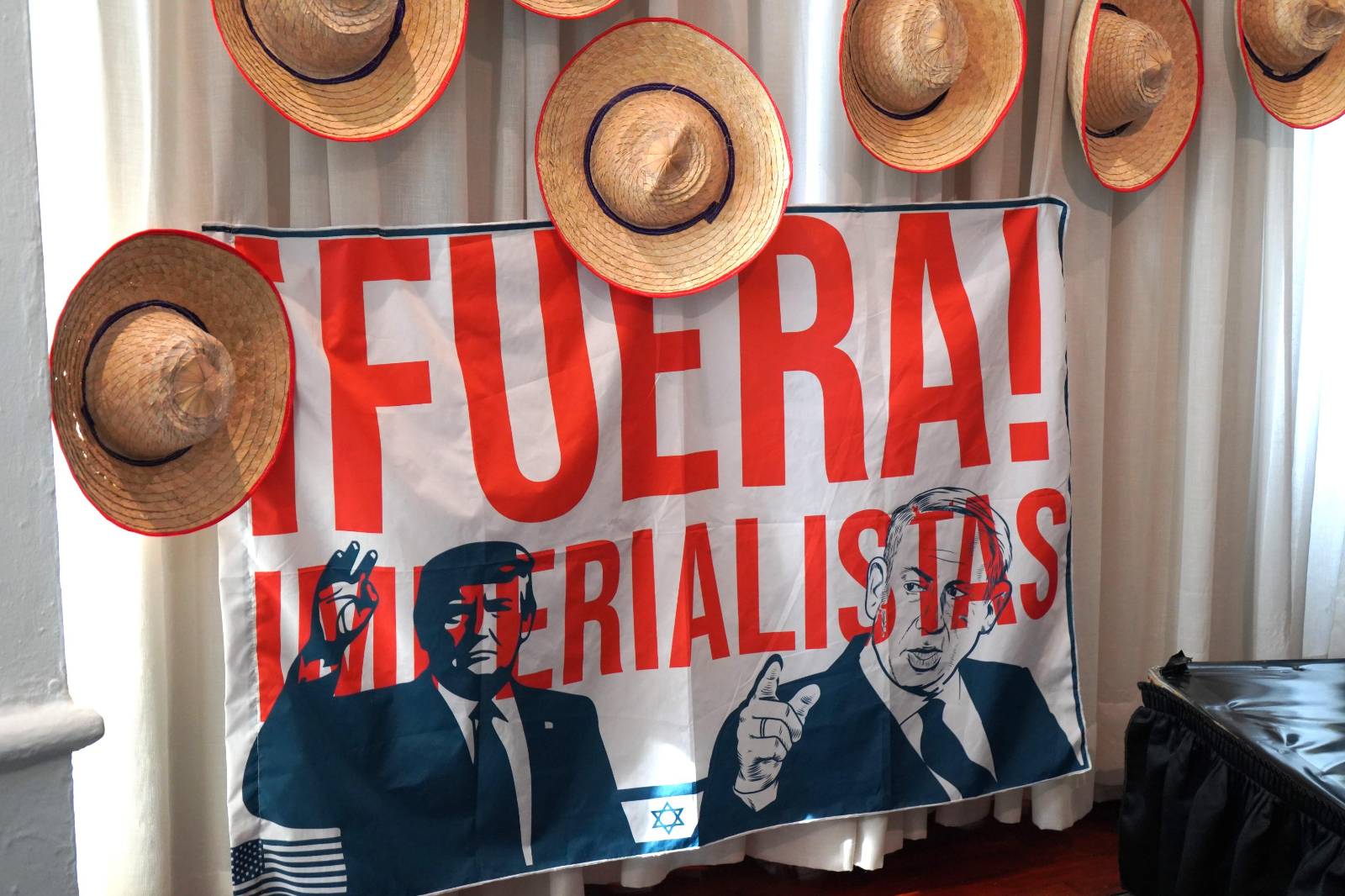
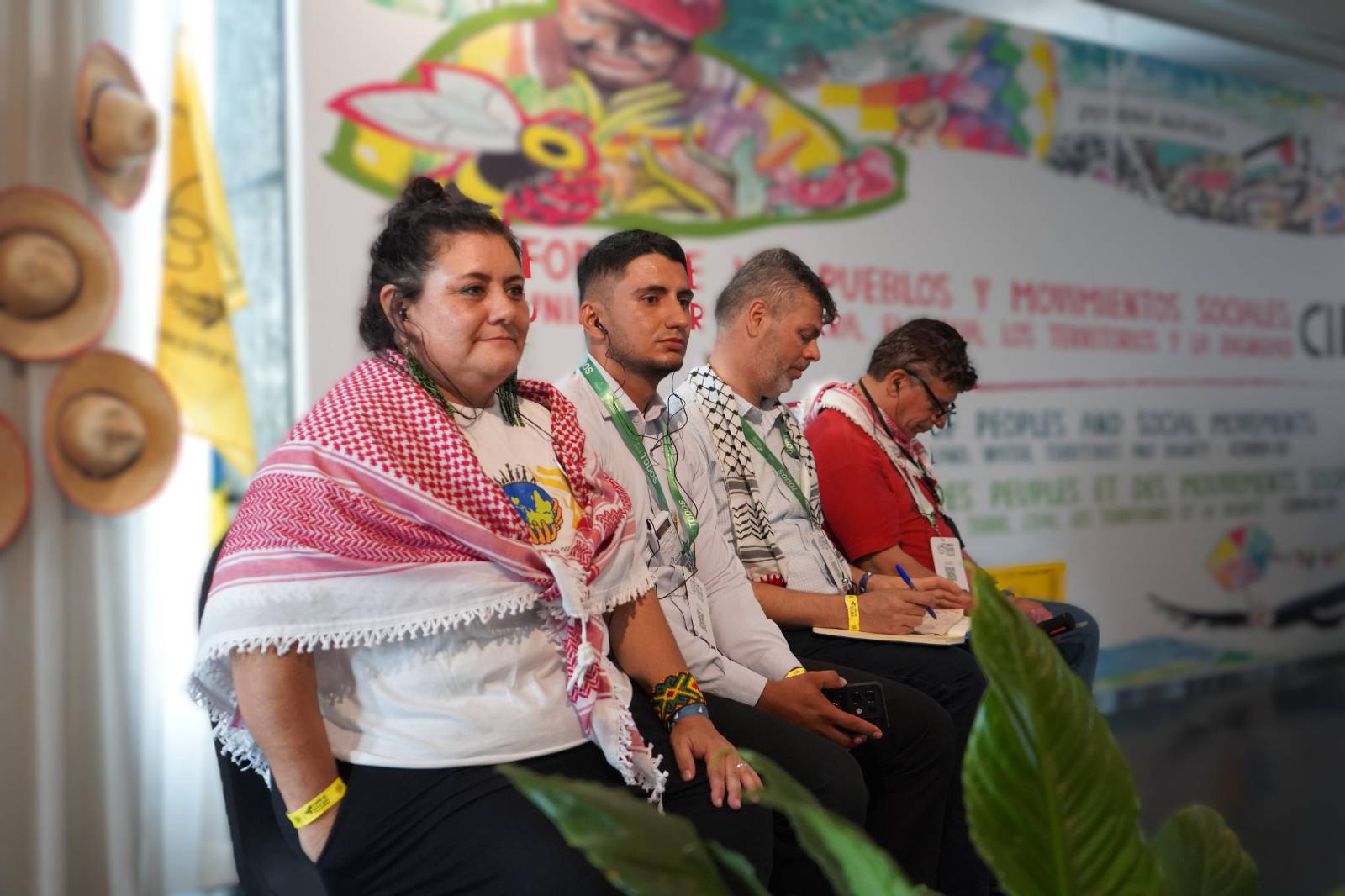
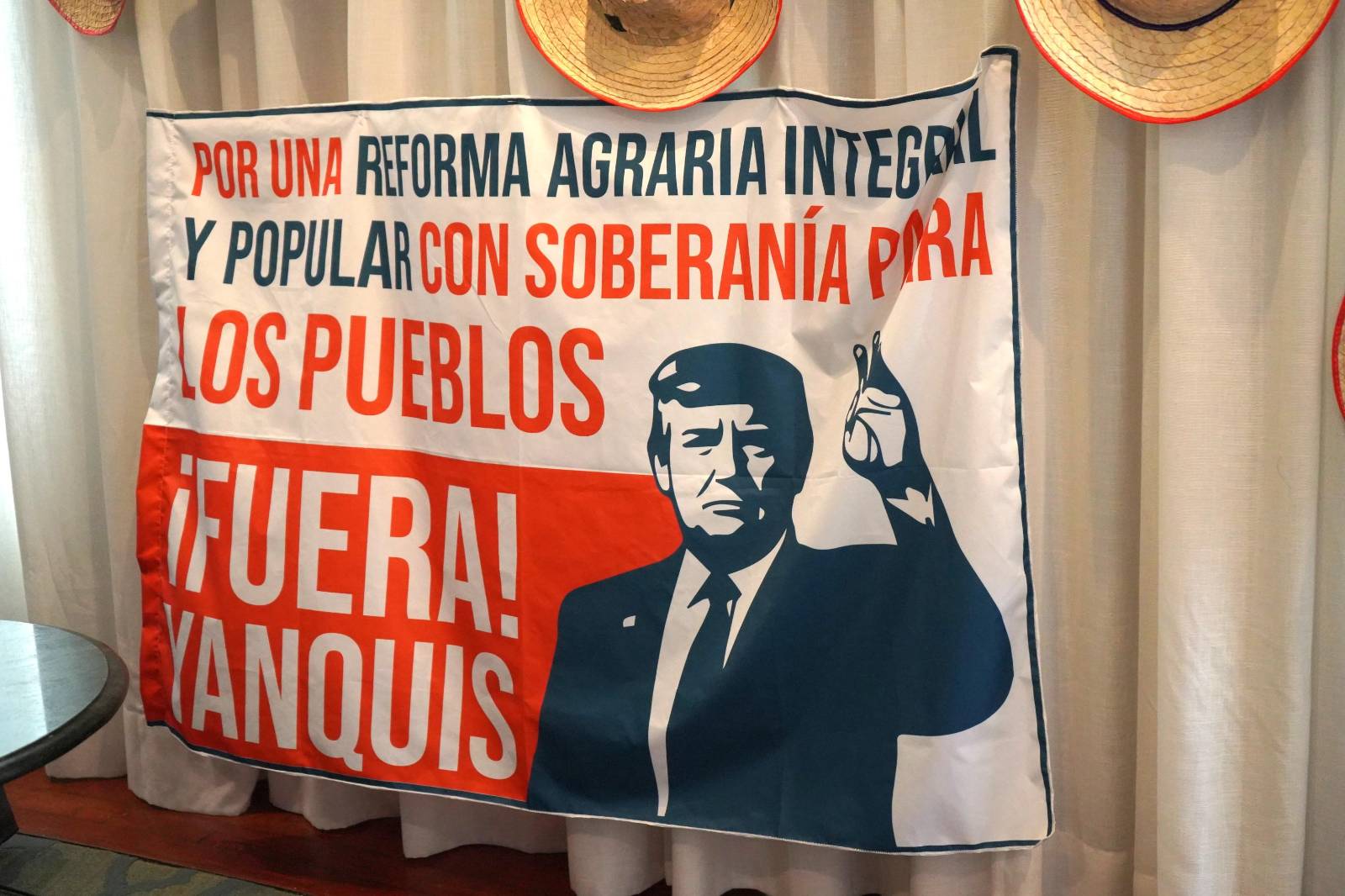
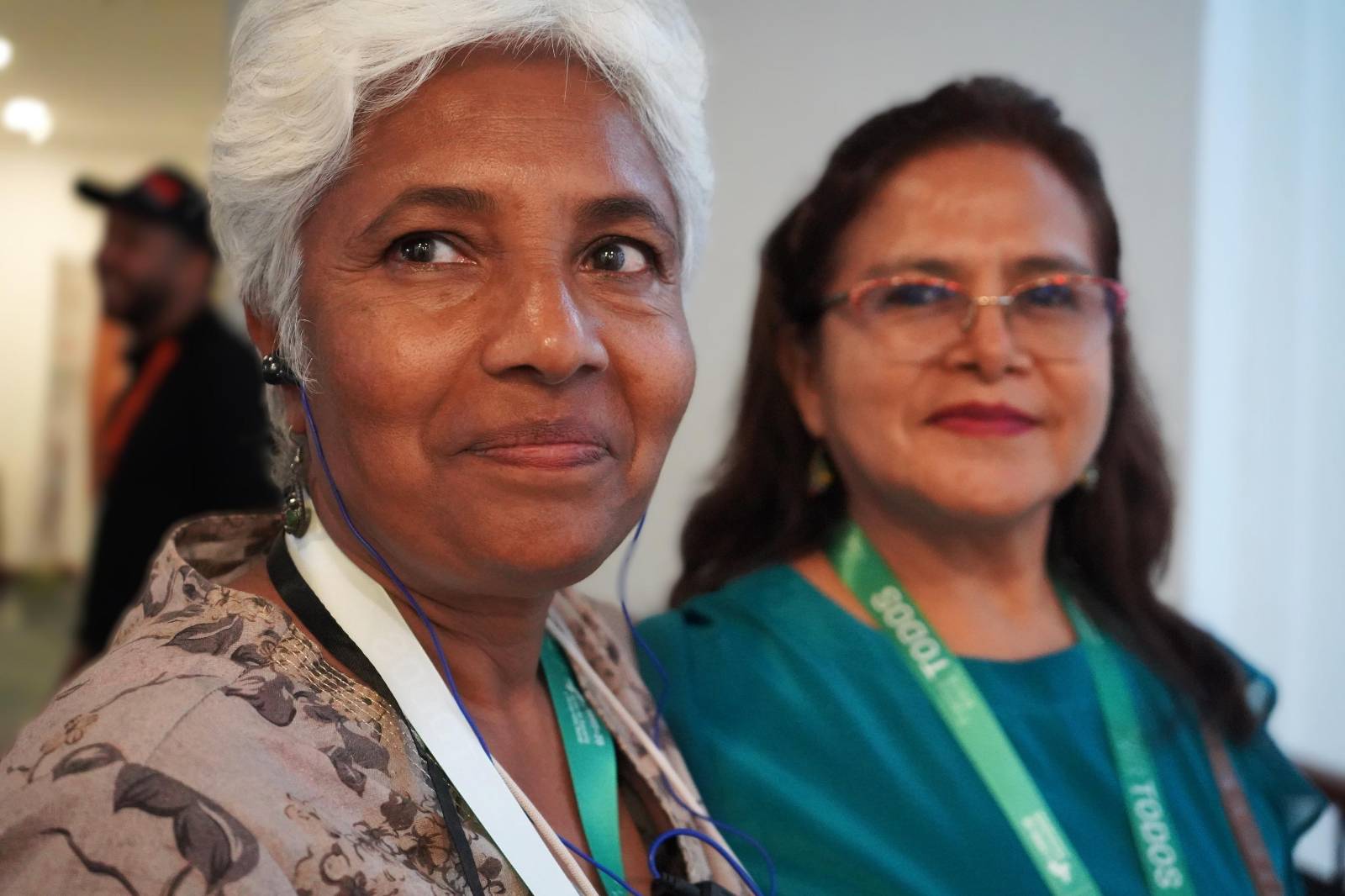
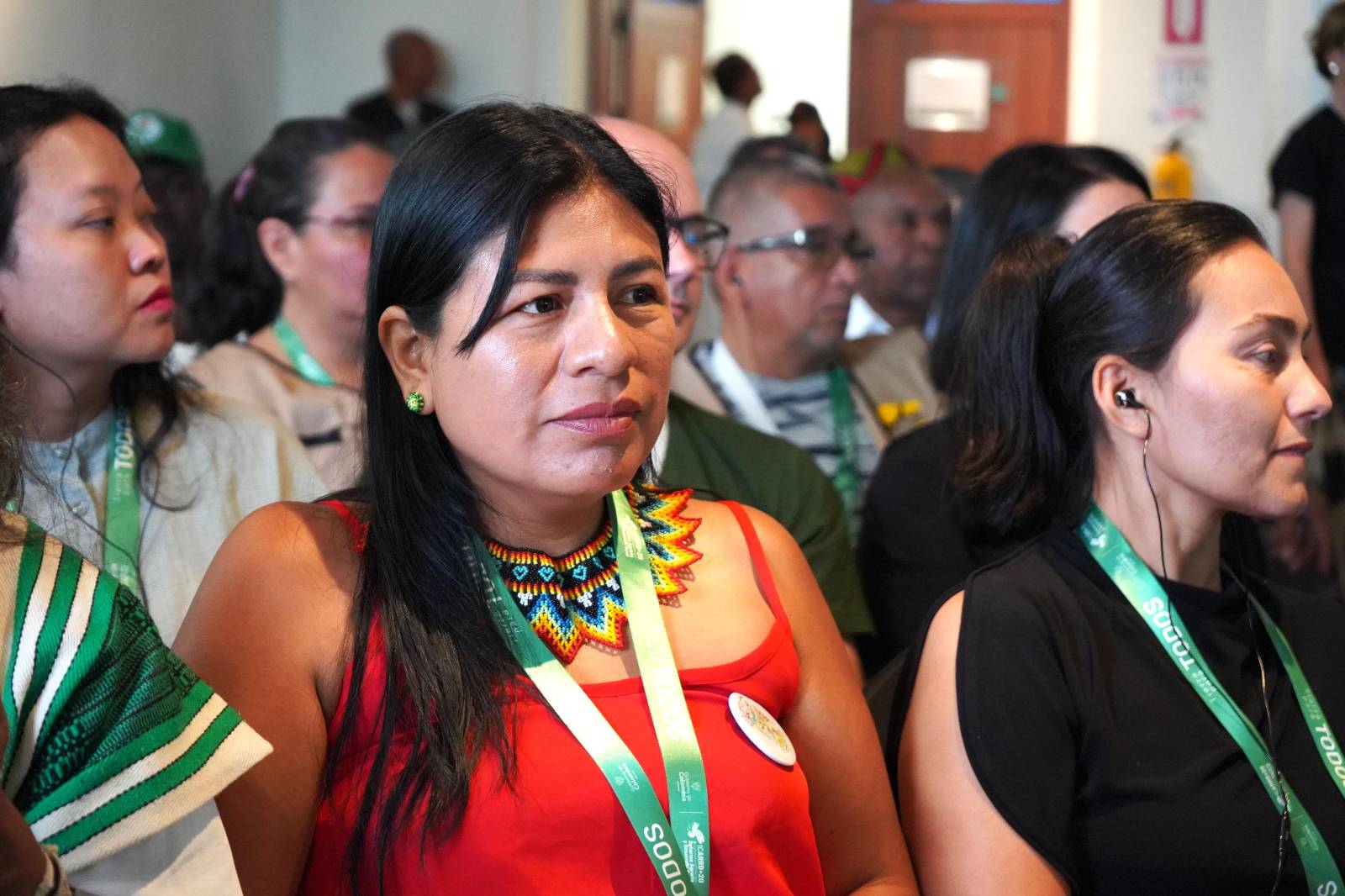
Pictures of the day
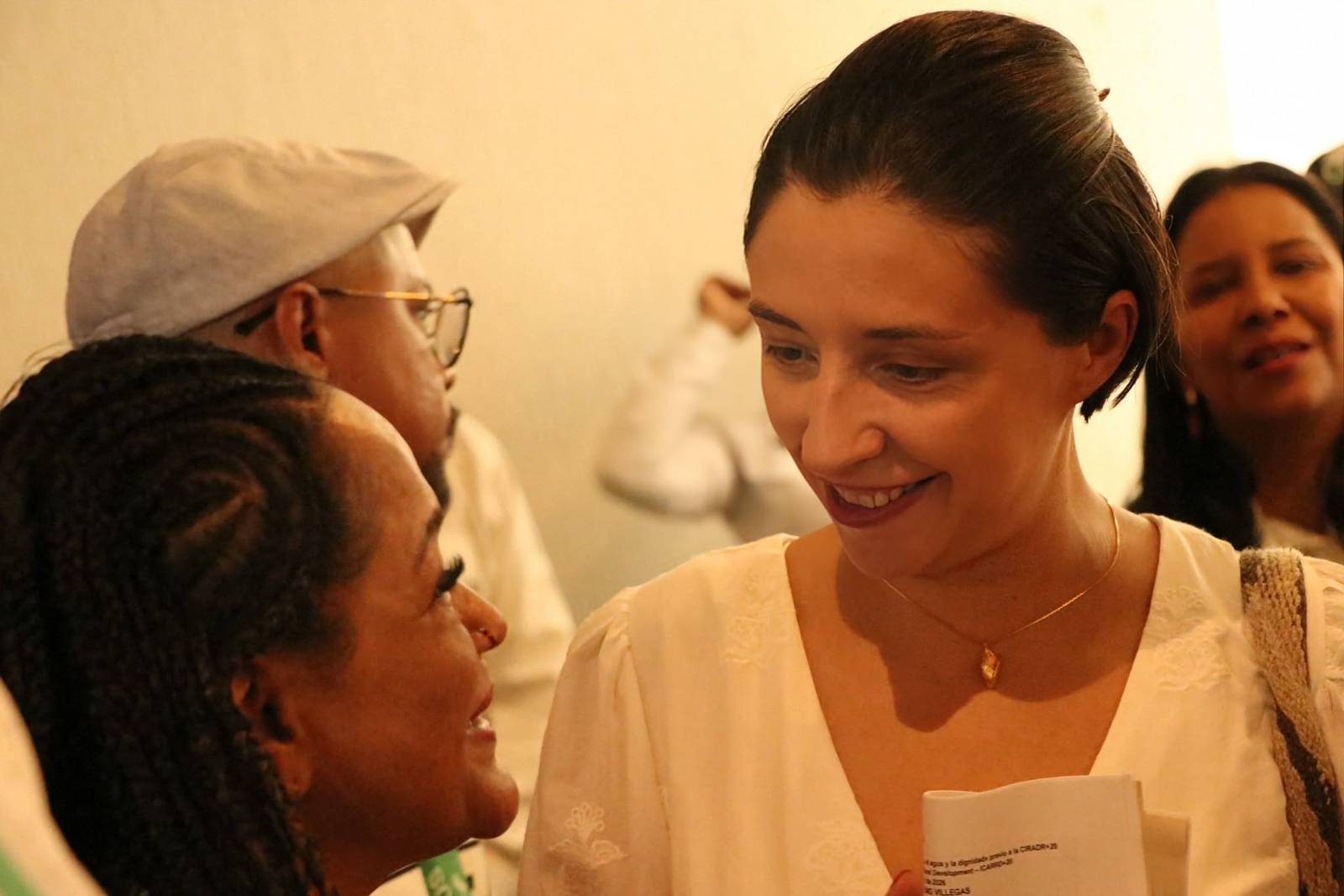
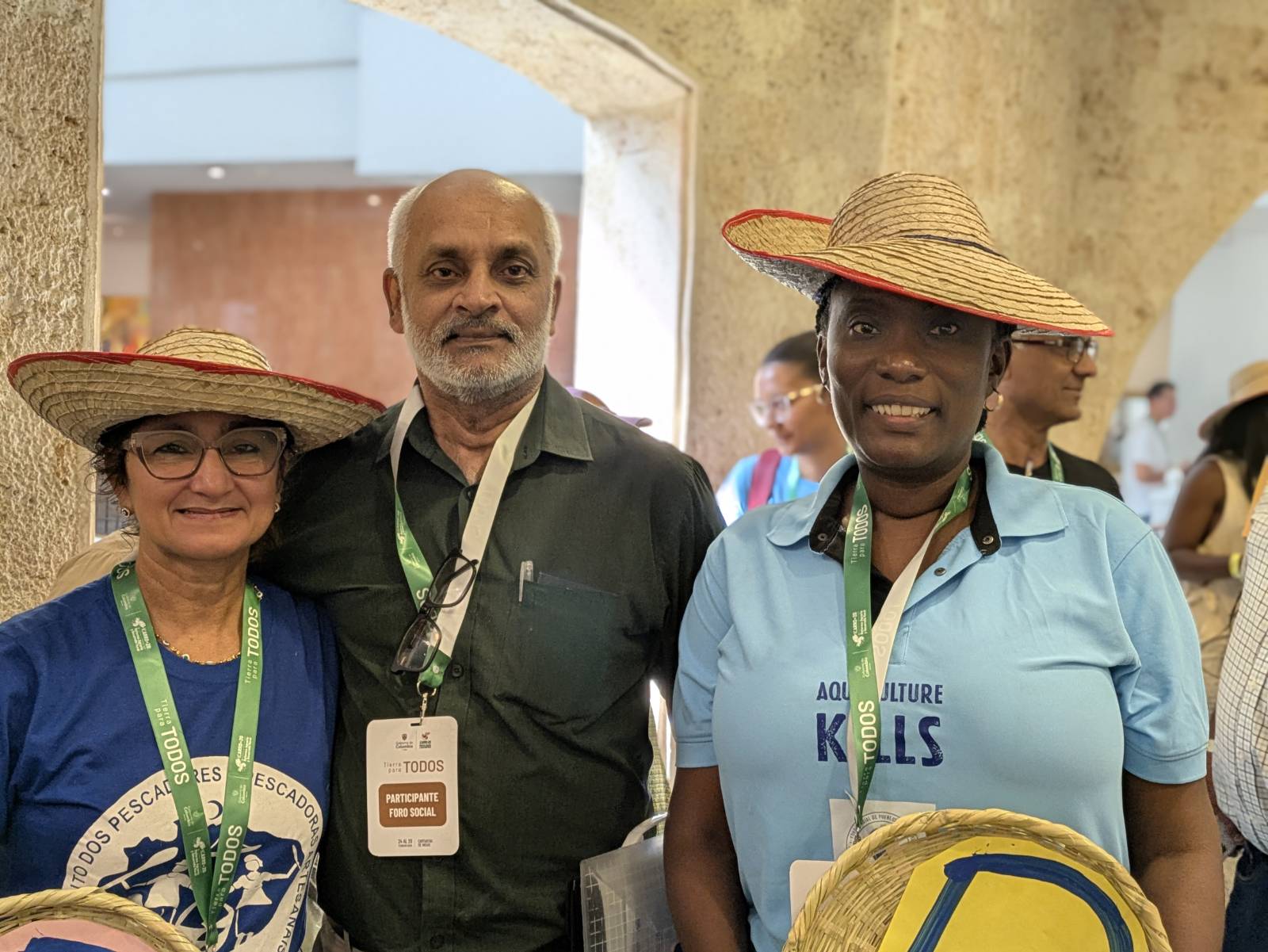
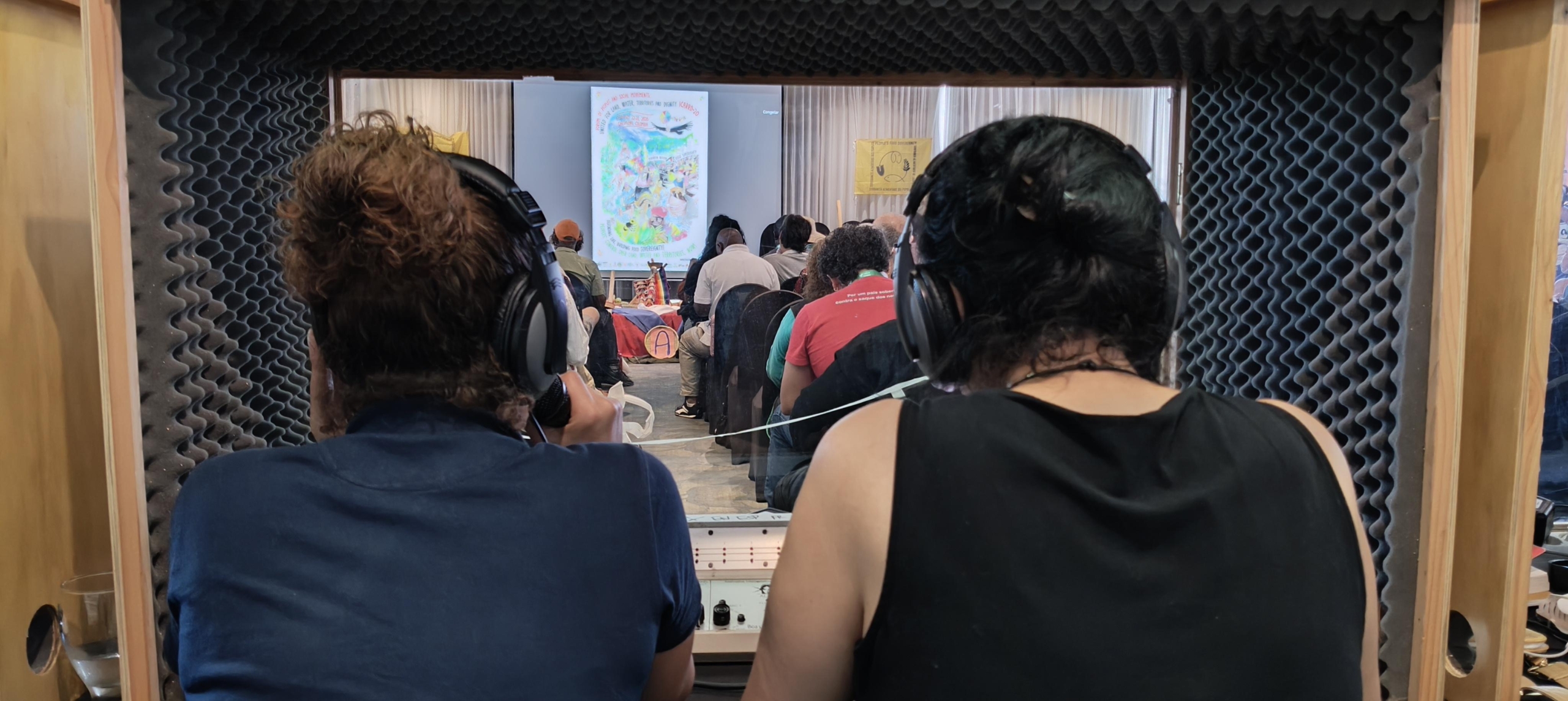
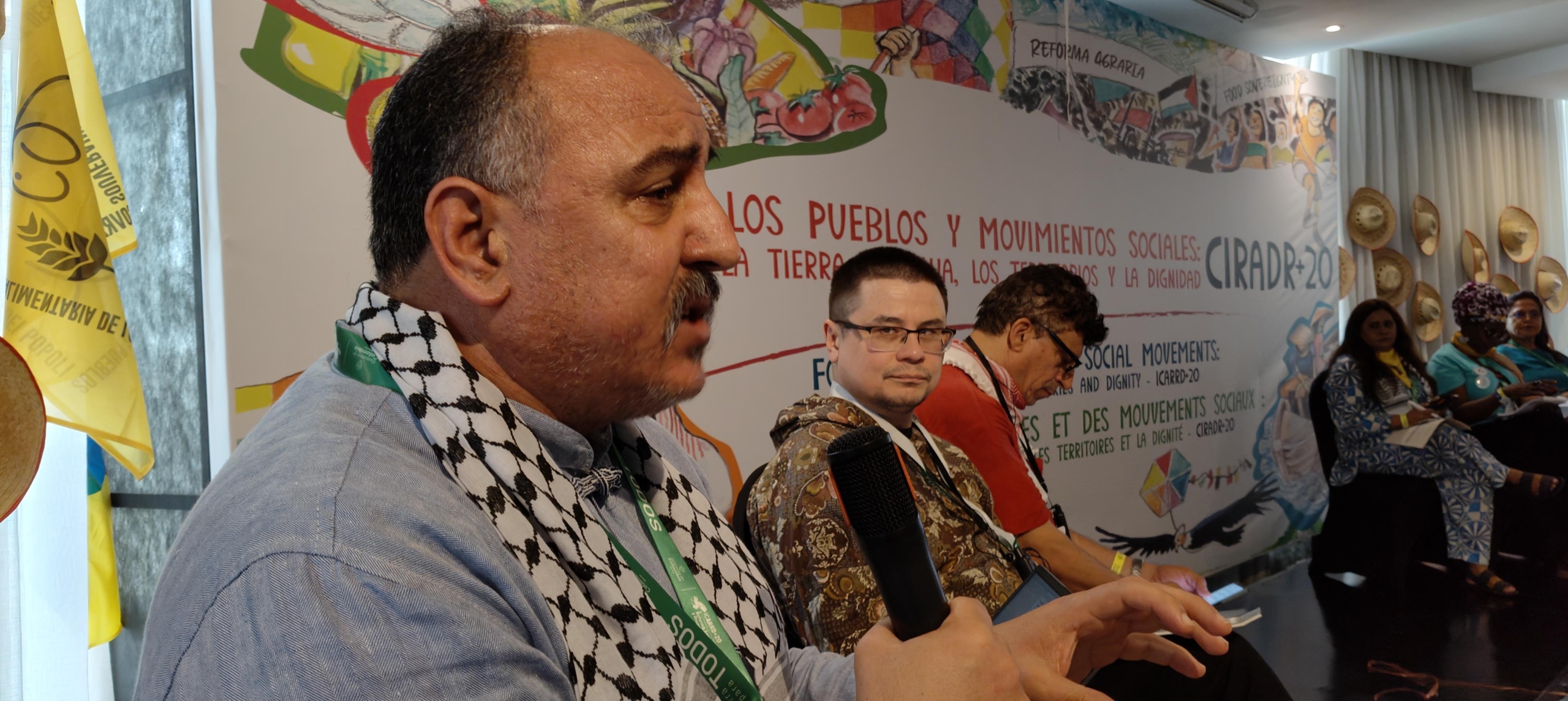
21 February
Social movements and Indigenous Peoples gather in Colombia to call for real and transformative agrarian reform
The International Planning Committee for Food Sovereignty, through its Working Group on Land and Territories is coordinating the participation of peasants and Indigenous Peoples organisations in the second International Conference on Agrarian Reform and Rural Development (ICARRD+20), hosted by the Government of the Republic of Colombia and being held in Cartagena, Colombia, from 24 to 28 February 2026.
Twenty years after the first ICARRD, land, water, forests and oceans are increasingly concentrated in the hands of corporations and financial actors, driving dispossession, inequality and ecological collapse. Small-scale food producers, Indigenous Peoples, pastoralists, fishers, rural women and workers continue to be excluded from their territories and decision-making spaces.
That’s why before the Conference, IPC is organising a two-day Forum of Peoples and Social Movements (22-23 February), preceded by an Academic Conference bringing together researchers and scholar activists.
Program of the Forum (EN) Programa del Foro (ES)
We’ll be covering this event by updating this page day by day. If you want to read more on our work, visit the page of the IPC working group on Land and Territories or download the IPC position paper on transformative agrarian reform and rural development.
IPC WG on Land IPC Position Paper